


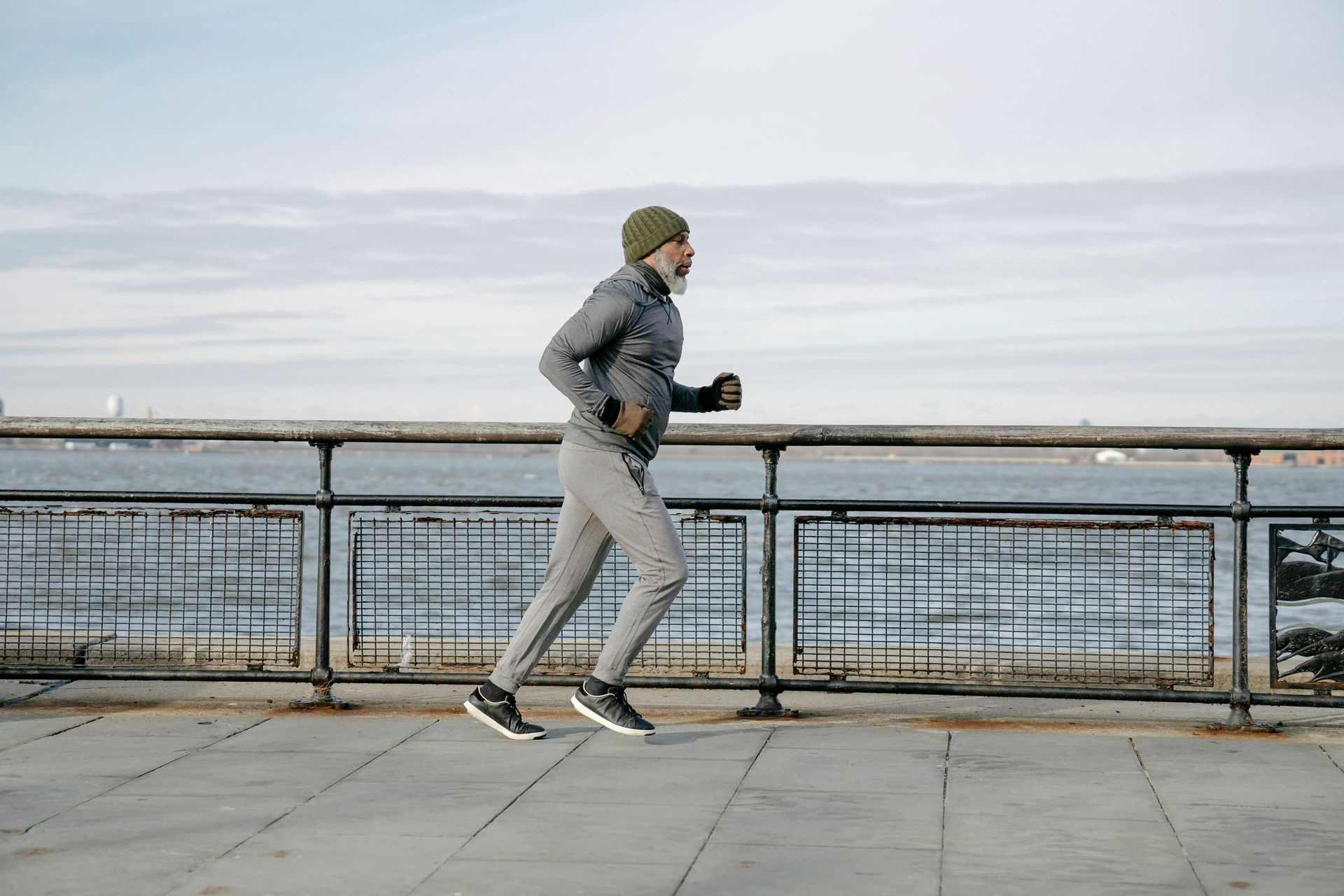
The 5 Human Movement Patterns Every Body Should Master

15 December 2025

Introduction: Why Function Comes Before Fitness

Most people train muscles — we train movements.


At Conscious Rewire Coaching, we believe that understanding how the human body moves is the foundation of all sustainable strength. You don’t need endless exercises; you need to master the five patterns that your body was designed to perform every day.


“When you move better, you live better — strength follows function.”


These five movements — push, pull, hinge, squat, and carry — form the blueprint for how your body interacts with the world. And when trained mindfully, they build not just muscle, but awareness, balance, and longevity.

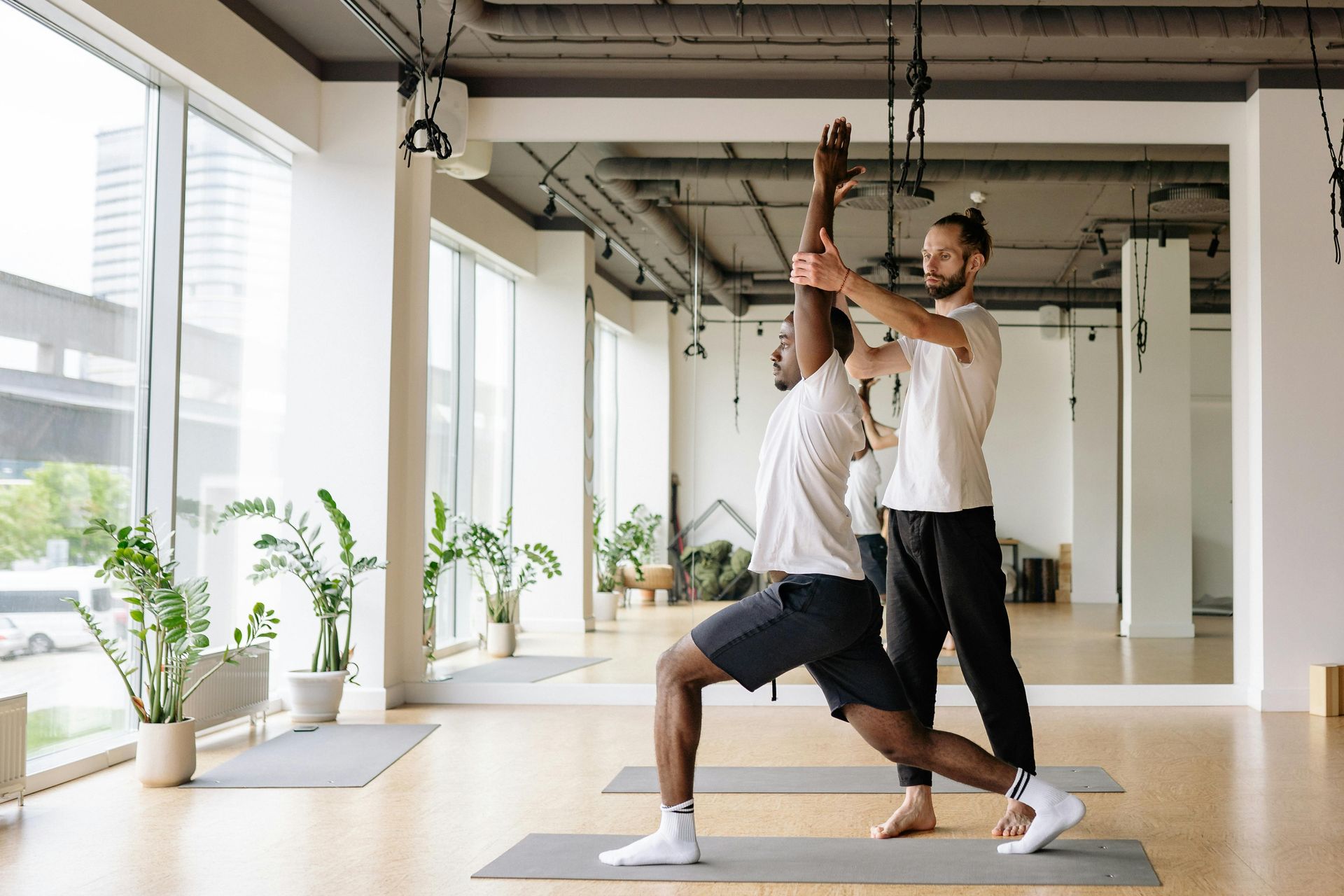
Image Description: Coach demonstrating five foundational movement patterns with conscious alignment.


1. Push — Building Stability and Intention

Pushing is the most natural expression of force — from closing a door to pressing overhead. But how you push determines whether you’re building strength or creating strain.


Mindful Push Principles:

- Engage Core First: Stability begins before movement.

- Align Wrists, Elbows, and Shoulders: Straight lines protect joints.

- Breathe With Intention: Exhale on effort, inhale on return.


Instead of muscling through, notice how you push. The quality of your push determines the integrity of your posture. At Conscious Rewire, clients learn controlled push-ups, wall presses, and banded pushes — integrating awareness of alignment with breath control.


“Power without awareness leads to pressure, not progress.”


2. Pull — Strengthening the Back Body and Mind

Modern life pulls us forward — phones, laptops, steering wheels — leading to rounded posture and weak posterior chains. Pulling exercises rebalance this tension by awakening underused stabilizers in the back, shoulders, and hips.


Mindful Pull Practice:

1. Start With Posture: Stand tall before every pull.

2. Draw Shoulders Down and Back: This activates your lats and mid-back.

3. Move Smoothly: Control the pull and the return.


The pull pattern is both physical and symbolic: it represents reclaiming balance, strength, and confidence. At Conscious Rewire Coaching, mindful rows and band pulls are done slowly to reestablish connection to the back body — the literal foundation of posture.


“Every pull draws you closer to alignment.”

Coach demonstrating kettlebell swing emphasizing timing with gravity’s arc.
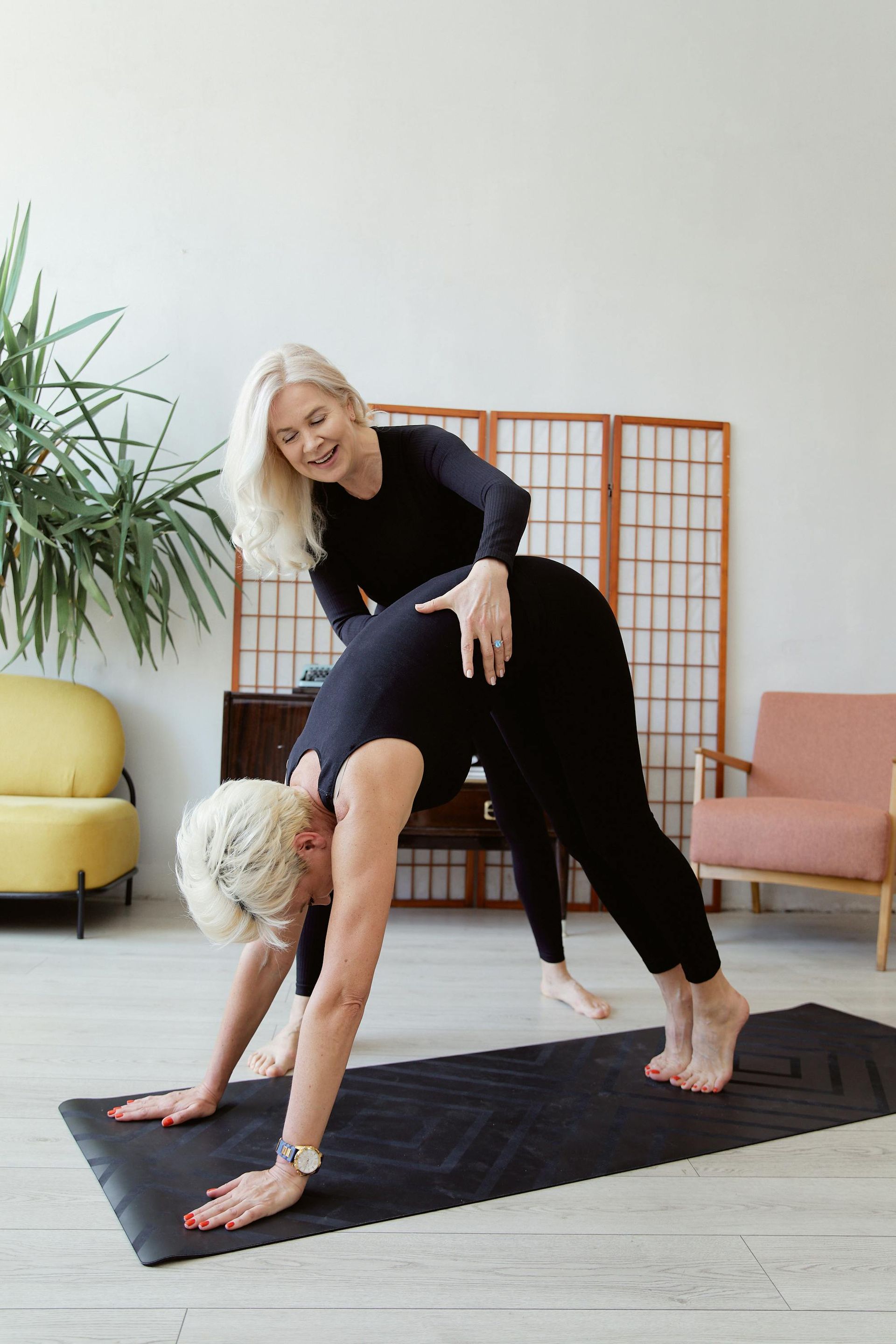
Client practicing mindful breathing while holding plank position under coach’s supervision.

3. Hinge — Moving With Control, Not Momentum

The hinge is the key to protecting your spine and developing powerful hips — the true engine of human movement.


The Conscious Hinge Steps:

- Feet Rooted: Feel grounded through the arches.

- Soft Knees, Firm Core: Balance mobility and stability.

- Lead With Hips, Not Shoulders: Let the torso follow naturally.

- Neutral Spine: Maintain alignment throughout.


Common hinge movements include deadlifts, good mornings, and kettlebell swings — but when performed mindfully, they also build proprioception, or awareness of where your body is in space.


“Control the hinge, and you control your power.”

Side view of client practicing upright posture alignment using wall reference.

4. Squat — The Foundation of Mobility and Strength

The squat is often called the 'king of movements' — but mindful squatting is about control, not depth.
 
Conscious Rewire Squat Method:
- Start From Breath: Inhale to stabilize; exhale to rise.
- Weight in Mid-Foot: Feel balanced between heel and toe.
- Knees Track Over Toes: Avoid collapse inward.
- Chest Open, Eyes Forward: Awareness in every phase.
 
Squats are more than an exercise — they’re a metaphor for balance between grounding and rising, effort and release. Whether it’s bodyweight or loaded, a squat teaches strength through stillness and precision. At Conscious Rewire, clients often perform pause squats — holding awareness at the bottom to rewire control instead of chasing repetition.
 
“The goal isn’t to go lower — it’s to go consciously.”

5. Carry — Integrating Stability and Strength

The carry is the movement that ties them all together. It’s not just strength — it’s strength in motion.


Mindful Carry Cues:

- Posture First: Shoulders down, rib cage stacked over hips.

- Grip Awareness: Squeeze, but don’t strain.

- Breathe Evenly: Maintain rhythm under load.

- Balance Both Sides: Train symmetry and endurance.


From farmers carries to single-arm loads, carrying integrates grip strength, coordination, and core stability — turning static strength into usable power. At Conscious Rewire Coaching, carry patterns are taught as a meditation in movement — staying grounded while under pressure.


“Carrying weight with awareness builds calm under challenge.”

Turtle statue in fitness studio symbolizing mindful, patient growth.

6. How Mindfulness Enhances Every Movement

Mindfulness turns ordinary exercise into embodied awareness. When practiced within each movement pattern, it:


- Builds nervous system control.

- Enhances joint stability and coordination.

- Strengthens mental focus and emotional regulation.


In essence, you stop doing reps and start cultivating control. Every inhale sets intention. Every exhale reinforces rhythm. Every repetition becomes an opportunity to listen rather than push.

Master the Patterns, Master Yourself

The five human movement patterns are more than exercises — they’re the blueprint for living consciously in your body. When you train them with awareness, you restore balance, alignment, and flow.

At Conscious Rewire Coaching, we don’t just teach movement — we teach mastery through mindfulness.

“Strength is built one conscious movement at a time.”

Download the Functional Movement Guide 

— Learn how to integrate the 5 key patterns into your training for sustainable strength and mobility.

16 December 2025
The Power of Small Shifts — How Tiny Habits Transform Your Health

16 December 2025
Introduction: The Speed Trap of Modern Living

16 December 2025
Introduction: The Power of Conscious Change

16 December 2025
Introduction: The Missing Half of Strength

16 December 2025
Introduction: Strength Isn’t a Competition
15 December 2025
Introduction: What If Change Begins in the Mind?